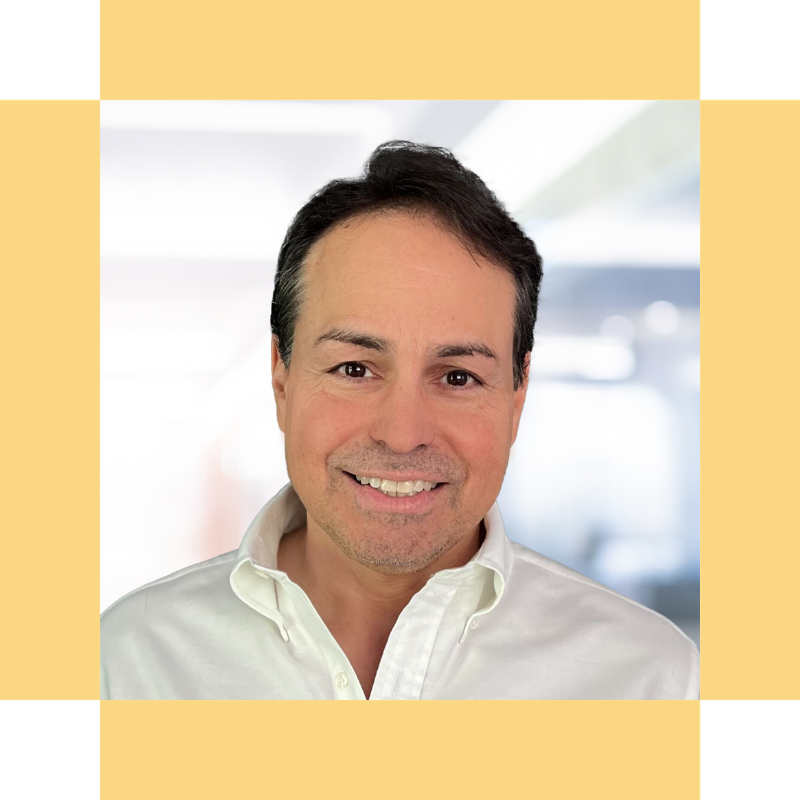
Behind the Breakthrough: Q&A with Chris Johnson, Founder and CEO of Bluebird Kids Health

Bluebird Kids Health
Location
Jacksonville, FLSector
Healthtech + ServicesInitial Investment
2024Status
PrivateBehind the Breakthrough: Q&A with Chris Johnson, Founder and CEO of Bluebird Kids Health
After helping advance value-based care for older adults as the CEO of Landmark Health, Johnson saw an opportunity to bring a similar model to children: a value-based pediatric primary care platform.
Bluebird Kids Health was born from a stark realization for CEO Chris Johnson: nearly half of America’s children receive care through Medicaid or CHIP, but many live in what he calls “pediatric care deserts” – communities where kids are far more likely to end up in the ER, because they can’t easily access primary care.
Johnson discusses why he’s bringing value-based care to pediatrics and how Bluebird is confronting structural inequities in children’s health. He also explores what it means to build a company designed not just to treat illness, but to help every child reach their full potential through equitable health care – one community at a time.
Was there a defining moment that crystalized the need for Bluebird?
Across metro areas, the lowest-income communities have only half as many pediatricians per thousand children as the highest-income zip codes. Many practices can only afford to have around 20% of their patients on Medicaid, which creates barriers to preventative care for millions of children. We set out to close that gap with an integrated model that brings physical, behavioral, and social services under one roof. Bluebird uses technology to make care more consistent and scalable, while aligning patient outcomes with payer incentives and reinvesting to expand services in pediatric care deserts.
Your mission statement is “to provide exceptional care so all children can thrive.” What does that look like day by day?
For us, exceptional care begins by giving our providers the support they need to practice at the peak of their ability. We invest in training, technology, and team-based support, allowing providers to focus on families and not paperwork. It means partnering with behavioral health providers and community organizations to fill social care needs that fall outside traditional medicine.
The “Every Child” aspect means we never want to turn away a child who comes to our door. We contract with all health plans and offer a self-pay option to ensure every family can access care. We identify primary care deserts by running analytics to pinpoint areas where children have limited access to pediatric practices. In areas with the greatest need, we open clinics in retail spaces (e.g., near grocery stores or laundromats) to meet families “in the flow” of daily life, with extended evening and weekend hours.
Finally, “so all children can thrive” is our long-term measure of success. We aim to create more happy, healthy days for kids. It’s not just about clinical outcomes. It’s about helping children stay in school because they’re now getting the care they need or catching vision issues early to support them as they learn to read. Ultimately, it is about building the foundation for lifelong health.
You brought value-based care principles from adulthood into pediatrics. Why hasn’t this been done before – and why now?
Sometimes problems persist simply because no one has really focused on them. In 1987, only about 16% of children in the U.S. were covered by Medicaid; today, that number exceeds 50%. That means more than half of America’s pediatric population now relies on a system that has historically lacked the innovation and coordinated care models seen in adult medicine. Millions of children still face inequitable access despite having insurance coverage. It’s a massive and growing need, and it’s time the innovation ecosystem caught up to it.
You applied lessons from Landmark Health to this new model. What are some of the biggest takeaways?
The biggest lesson was that you need a mission-aligned culture that truly believes in doing what’s right for patients, paired with a business model that rewards it. When those align, everything else follows.
We’ve also leaned heavily into technology and AI at Bluebird. At Landmark, we used technology because we had to, mainly to process claims and manage data. At Bluebird, we see technology as a driver of the experience itself. We’re building what we call a “pediatric operating system,” which is AI-enabled infrastructure made specifically for this population. It makes back-end operations more efficient and the front-end experience more consistent, from the parent app to the clinical workflow.
What’s your approach to growth, and where do you go from here?
We’re currently operating six Bluebird clinics and expect several more by year’s end. We plan to continue expanding in Florida, then into new states. Our goal is to go deep and truly integrate into communities. In a place like Tampa, for example, we’d rather build half a dozen practices so we can truly serve as a meaningful part of the local health infrastructure and be a reliable partner to hospitals and OBs. Instead of opening a single location in many markets, we focus on building multiple practices within a city so we can become embedded in the community and part of the local health ecosystem.
You’ve mentioned technology as a differentiator. How is AI changing your model?
We use AI to streamline areas across the organization. Things like scheduling, insurance verification, and revenue cycle management become far more efficient with AI, allowing our teams to focus more time and energy on patients. On the care side, we leverage data and analytics to identify children who need proactive interventions, such as closing preventive care gaps. We are also designing digital care management tools that support parents at home.
The key for successfully using AI is integrating it intelligently into the workflow to actually drive outcomes, which is what we’re building our systems to do.
Looking ahead to 2030, what impact do you hope Bluebird will have?
Our north star is to be a meaningful contributor to the health and well-being of children in every community we enter. If you look at why the U.S. lags other wealthy countries in life expectancy, most of that gap actually stems from outcomes for people under 18.
We want to help change that trajectory by reducing preventable mortality, improving health equity, and supporting children as they grow into healthy adults. That’s what “so all children can thrive” truly means for us.